Overwintering pests like stink bugs, boxelder bugs, and mosquitoes look for shelter as temperatures drop. Learn which ones are common in Central Virginia and how to prepare.
What are overwintering pests? As October arrives in Charlottesville, many homeowners and business owners notice the same thing. Maybe it’s a stink bug on the windowsill, or a mosquito that somehow never got the memo that summer is over. These are overwintering pests, insects that don’t die off or migrate when the weather cools but look for a sheltered place to wait out the cold. This blog post covers which ones are most common in Central Virginia, where they hide, and what you can do now to keep them from settling into your property.
While most are nuisance pests (not dangerous ones) a few hundred of them inside a wall void or warehouse is still a problem. Here’s your guide for tackling overwintering pests and keeping the fall and winter season cozy and pest-free!
Brown Marmorated Stink Bugs
Appearance: About half an inch long and shaped like a shield, with a mottled brown body and light banding on the antennae and edges of the abdomen.
Overwintering habits: Stink bugs gather on sun-warmed exterior walls in early fall, then slip through small gaps around windows, doors, siding, and utility lines. Once inside, they settle into attics, wall voids, and window frames. A newcomer to our area, they release scents that draw others to the same spot.
Behavior and threat level: Low risk to people, moderate nuisance.
They don’t bite or damage structures, but they release a strong odor when crushed or disturbed, and they’re a serious pest of fruit trees and garden vegetables. Often they become active on warm winter days, which is when homeowners find them wandering through living areas.
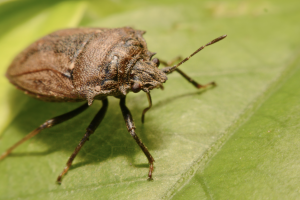
Brown Marmorated Stink Bug
Asian Lady Beetles
Appearance: Rounded, about a quarter inch long, and ranging from tan to deep orange-red with varying spots. A white “M”-shaped marking behind the head helps separate them from native lady bugs.
Overwintering habits: In fall they gather in large numbers on light-colored, sun-facing walls before moving into attics, siding gaps, and wall voids.
Behavior and threat level: Low, but annoying.
They’re beneficial in the garden, where they eat aphids, but they’re a headache indoors. When disturbed, they can leave yellow stains on walls and fabrics, and they will occasionally nip skin.
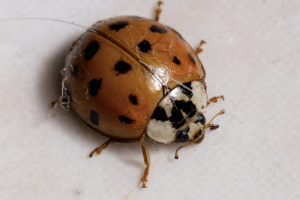
Asian Lady Beetle
Boxelder Bugs
Appearance: Slender, about half an inch long, black with reddish-orange markings along the edges of the wings and body.
Overwintering habits: Boxelder bugs congregate by the hundreds on the south- and west-facing sides of homes, especially where boxelder, maple, or ash trees are nearby. They then work their way into cracks and wall voids.
Behavior and threat level: Low.
They don’t bite or damage structures, though their droppings can stain surfaces. The main complaint is the sheer volume.
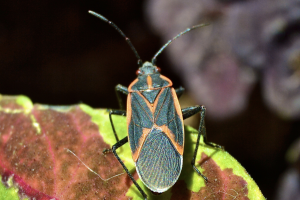
Boxelder Bug
Cluster Flies
Appearance: Slightly larger than a house fly, grayish, with fine golden hairs on the thorax and wings that overlap at rest.
Overwintering habits: Cluster flies spend their larval stage as parasites of earthworms, so they’re a lawn-and-soil insect until fall. As the weather cools, they move into attics, upper floors, and unused rooms, often in large groups.
Behavior and threat level: Low.
They’re sluggish, don’t bite, and don’t breed indoors, but large numbers can be alarming. Dead flies in an attic can also attract other scavenging insects.
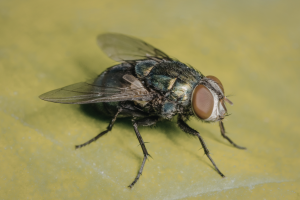
Cluster Fly
Mosquitoes
Appearance: Varies by species. The Asian tiger mosquito has a black body with white stripes and bites aggressively during the day. The northern house mosquito, a brown mosquito that bites at dusk and after dark, is the one most likely to winter in or near your home.
Overwintering habits: Mosquitoes don’t all die at the first frost. Which stage survives depends on the species. Asian tiger mosquitoes lay hardy, drought-resistant “diapause” eggs as the days shorten, and those eggs sit in dry containers, tires, and clogged gutters until spring rain and warmth return. Northern house mosquito females mate in the fall, then shelter in crawlspaces, basements, storm drains, sheds, and brush piles, where they can stay dormant for months. A few other species spend winter as larvae in protected water.
Behavior and threat level: Low in winter, but high next spring.
Overwintering mosquitoes aren’t a cold-weather biting problem. They’re a head start on next year’s population. Eggs hatch once temperatures hold around 50°F, and dormant females start laying as soon as spring arrives.
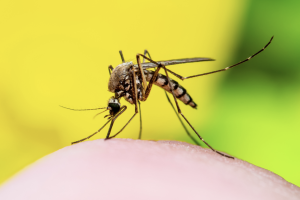
Mosquito
Spotted Lanternflies
Appearance: Adults are about an inch long. Their forewings are gray-tan with black spots, and when they open up, the hindwings flash bright red, black, and white. Nymphs, seen earlier in the year, are black with white spots, then turn red before reaching adulthood.
Overwintering habits: Spotted lanternflies are the exception on this list. Adults don’t hide in your walls. They die off after the first hard freezes, and the species survives winter as egg masses. Females lay these in fall on tree trunks, but also on stone, lumber, firewood, grills, outdoor furniture, bikes, vehicles, and equipment. The egg masses are about an inch and a half long, covered in a gray or brown mud-like coating, and easy to overlook. They can be found from late summer through spring.
Behavior and threat level: Low for people, high for plants.
Spotted lanternflies don’t bite or sting, and they aren’t a structural pest. The concern is what they do outdoors. They feed on grapes, orchard crops, and a wide range of trees and ornamentals, and they’re especially fond of the invasive tree of heaven. They’re also a nuisance around homes, leaving behind sticky honeydew that attracts ants, wasps, and sooty mold. First confirmed in Albemarle County in 2021, they’re now well established in our area, so the goal is no longer stopping them from arriving but limiting local numbers and avoiding moving egg masses elsewhere.
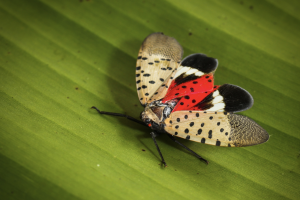
Spotted Lanternfly
Preparing Your Property for Winter from Pests
Most overwintering pests are looking for the same things: a warm spot, a tiny opening, and a place to wait. The best defense is removing the openings before they arrive.
- Seal the gaps. Caulk cracks around windows, doors, siding, fascia, and utility penetrations. Repair torn screens and add door sweeps. Check attic and crawlspace vents for damaged screening.
- Reduce what’s attracting them. Many of these insects are drawn to light-colored, sunny walls and to outdoor lights. Trim vegetation back from the building, move firewood and debris piles away from the foundation, and consider warm-toned or LED bulbs near entrances.
- Eliminate standing water. Dump or turn over buckets, flowerpots, and unused containers, clear clogged gutters, and clean out drains. This removes the places where mosquito eggs sit until spring.
- Clean up the yard. Rake leaf litter near the foundation and clear out brush and woodpiles where mosquitoes and other insects shelter.
- Remove, don’t crush. If these insects get inside, a vacuum with a disposable bag works well. Crushing stink bugs, lady beetles, and boxelder bugs leaves odors and stains.
- For businesses: Warehouses, restaurants, and offices with loading docks or frequent door traffic are especially vulnerable. Keep dock doors and bay seals in good repair, and schedule an inspection before the first hard frost, which is typically in October here.
Timing matters. Once insects are inside wall voids and attics, DIY sprays rarely reach them and the problem often reappears on the first warm days of late winter.
How Monticello Pest Solutions Can Help with Overwintering Pests
Because each of these pests overwinters differently (on exterior walls, in wall voids, in attics, in containers, or in crawlspaces) prevention starts with knowing what you’re dealing with and where it’s getting in. Our team identifies the pest, inspects the property, and applies treatments suited to the situation, so you’re not just chasing insects room to room. We also recommend inquiring about our exclusion services where we identify and seal the gaps for pests to enter your property.
Contact Monticello Pest Solutions at (434) 218-3331 or request a site visit online. And if you want year-round protection from seasonal pests, ask about our regular service plans for homes and businesses.

